Unlocking the Value of Multiple Feeding Zones in Smart Shrimp Farming
Keone Dodd, Technical Director, AQ1 Systems
15 October 2025
Designed with Farmers in Mind
Years of collaboration with shrimp farmers and extensive field research have deepened our understanding of shrimp feeding behaviour and the complex dynamics of pond environments. This work revealed the critical role of multiple feeding zones in improving feed distribution and overall farm efficiency. These insights became the foundation for developing next-generation solutions which enables precision feeding with enhanced flexibility and adaptability to diverse farming conditions.
Listening, Learning, and Innovating
At AQ1, innovation begins with listening. Our journey to multi-zone feeding has been shaped by years of listening - to shrimp, to farmers, and to the realities of pond dynamics. Increasing the number of feeding zones unlocks a new level of precision and control in shrimp farming. More zones mean feed can be delivered exactly where and when shrimp are actively feeding, reducing waste and improving growth. But to fully realise this potential, farmers need the right technology, solutions designed for flexibility, adaptability, and intelligent control.
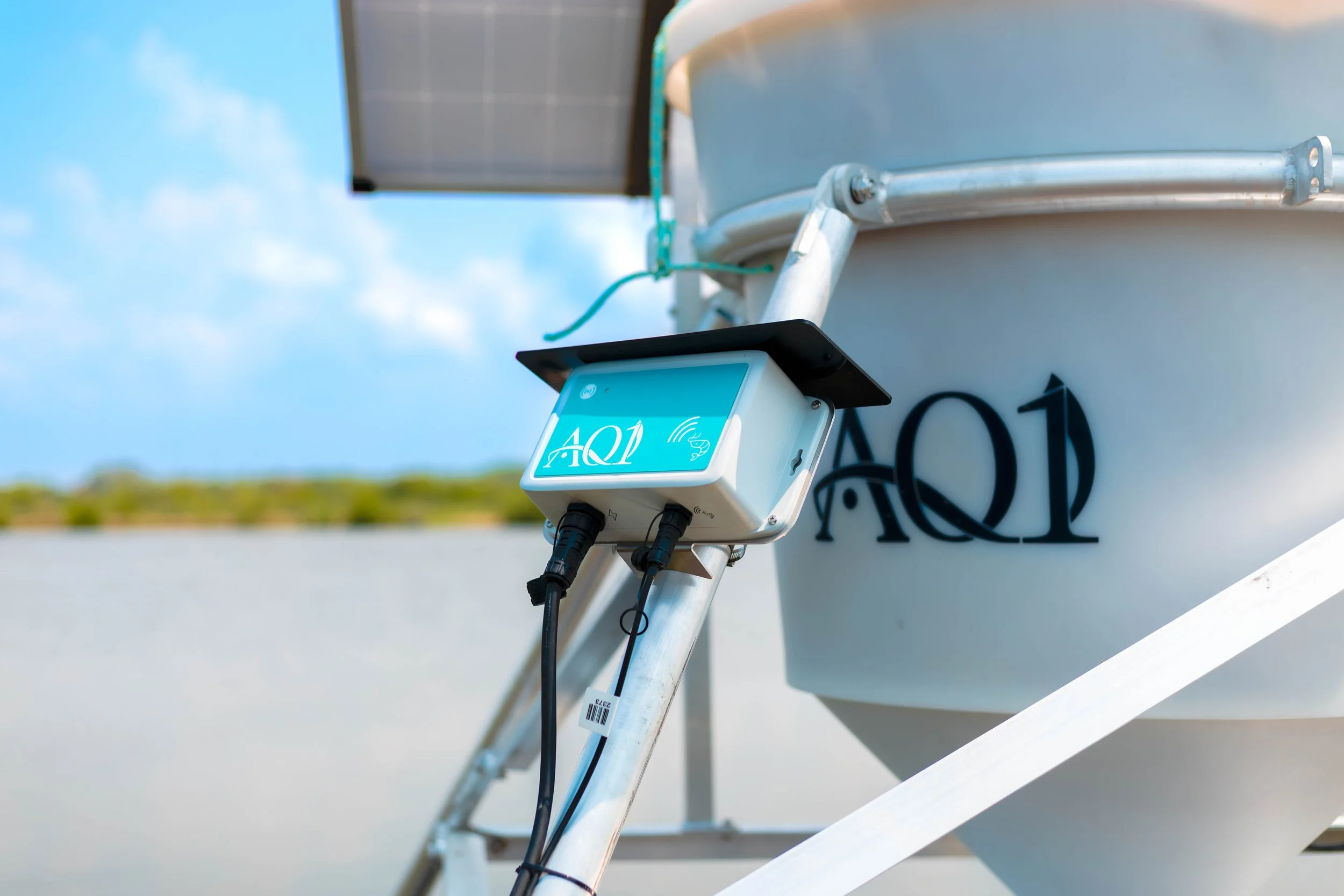
The Smart Hydrophone marks a major leap in precision aquaculture. Built on 15+ years of research into shrimp feeding patterns and acoustic monitoring, it overcomes the limits of cabled systems and adds intelligent self-diagnostics for superior reliability. By aligning technology with biology, it helps farmers boost feed efficiency, cut waste, and optimize pond performance.
Multiple feeding zones: Benefits and Barriers
Using sonic feeding systems, we conducted extensive field research to understand shrimp feeding behaviour and pond dynamics. Our observations revealed a key insight: feeding activity is not uniform. Shrimp tend to feed more intensely at specific times of day and show a clear preference for certain areas within the pond (Diagram 1).
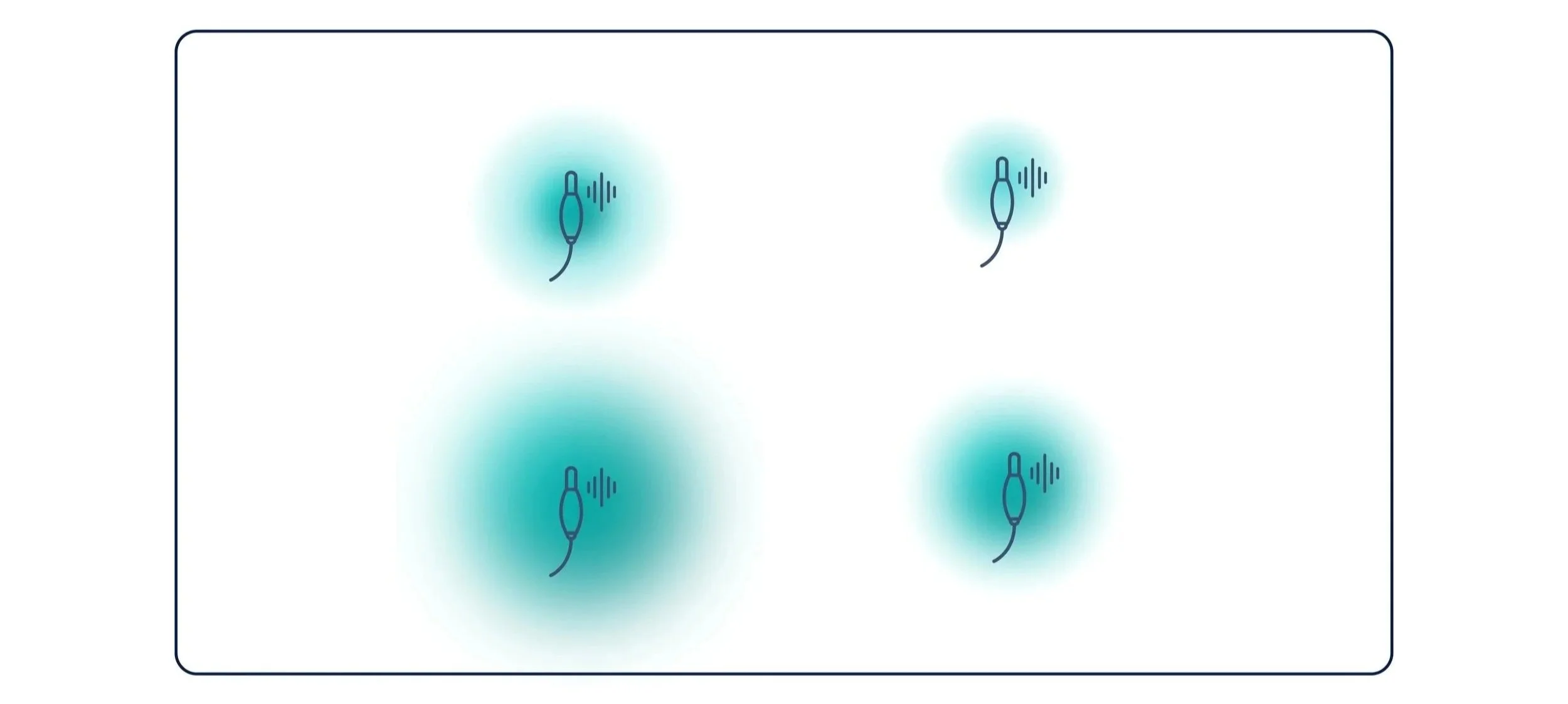
Diagram 1: A pond map showing shrimp distribution and feeding activity across multiple zones
Traditional feeding methods, such as timer-based systems, treat the pond as a single, uniform space. Feed is delivered at set intervals, regardless of where or when shrimp actually demand food. While simple and reliable, this approach often leads to wasted feed, uneven growth, and unnecessary stress for the animals. Shrimp may crowd around feeders at certain times, leaving other areas underfed and resulting in size variation at harvest.
The introduction of cabled hydrophone systems marked a significant step forward, allowing us to “listen” for shrimp feeding sounds and respond in real time. By using acoustic signals to trigger feeding, these systems offered a notable improvement over timers. However, cable length, typically up to 90 metres, can restrict hydrophone placement, especially in larger or more complex ponds. This limitation can reduce the number of feeding zones and make it harder to target areas where shrimp are most active.
Current feeding practices and technologies often struggle to provide the flexibility and adaptability needed for optimal shrimp farming. Research into multiple feeding zones has shown their potential to improve feed distribution and efficiency, but fully realising these benefits requires a purpose-built solution that supports more feeding zones, eliminates the need for cables, adapts to any pond layout and offers advanced self-diagnostic capabilities.
How shrimp benefit from multiple feeding zones?
Shrimp thrive when feed is accessible, delivered where and when it is needed, and aligned with their natural feeding rhythms. Expanding to four feeding zones within a sonic feeding system enables feed to be delivered more precisely to the areas and times when shrimp are actively feeding. Our research shows that multiple feeding zones with fewer feeders per zone provide a more effective and responsive approach, allowing the sonic algorithm to detect and respond to feeding behaviour with greater accuracy. This results in improved feed utilisation and more uniform growth across the pond.
Implementing multiple feeding zones, combined with advanced sonic feeding technology, delivers significant biological and operational advantages
Reduced Competition and Stress: Distributing feed across zones reduces crowding and aggressive behavior, improving shrimp welfare.
More Uniform Growth: Equal access to feed minimizes size variation, leading to better harvest consistency and pricing.
Improved Feed Conversion Ratios (FCR): Feed is delivered only when shrimp are actively feeding, reducing waste and improving efficiency.
Enhanced Water Quality: Even feed distribution and real-time control help prevent overfeeding and maintain better pond conditions.
Adaptability to Pond Conditions: Multiple zones allow feeding strategies to be tailored to pond shape, depth, and water flow.
Turning Feeding Patterns into Intelligent Solutions
The move from cabled hydrophones to a smart, wireless system was driven by extensive field data and feedback from farmers. Our research shows that the effective listening range of a hydrophone can vary greatly depending on pond conditions. To overcome this challenge and unlock the potential of multi-zone feeding, our Smart Hydrophone was developed to support four zones per controller and enable wireless placement up to 250 metres (Diagram 2). This flexibility allows hydrophones to be positioned for maximum effectiveness, even in large or complex ponds. For optimal detection of feeding activity, we recommend limiting each hydrophone to a maximum of three feeders per zone. This configuration has been proven in commercial-scale operations to significantly enhance acoustic signal clarity and improve feeding response accuracy, making multi-zone feeding both practical and scalable.
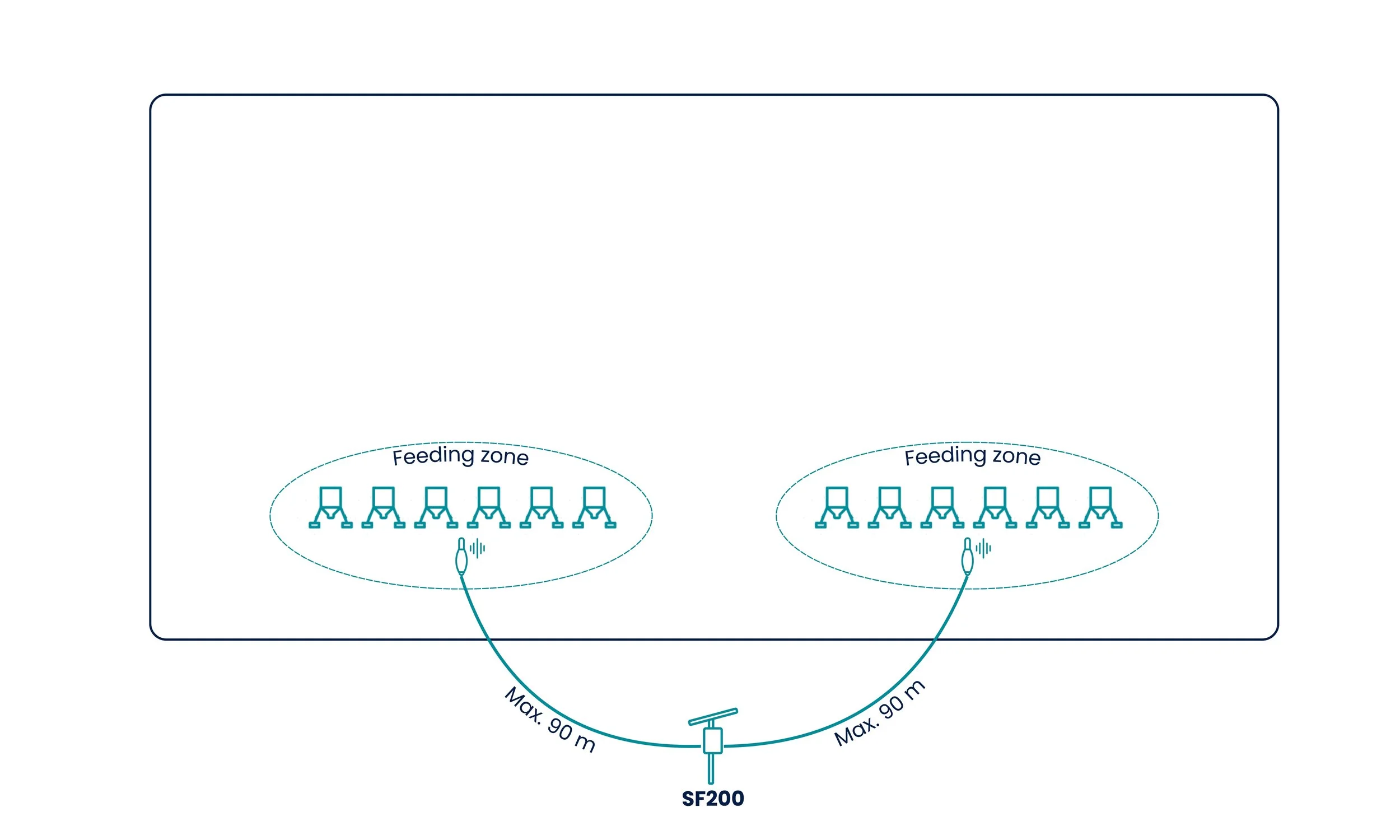
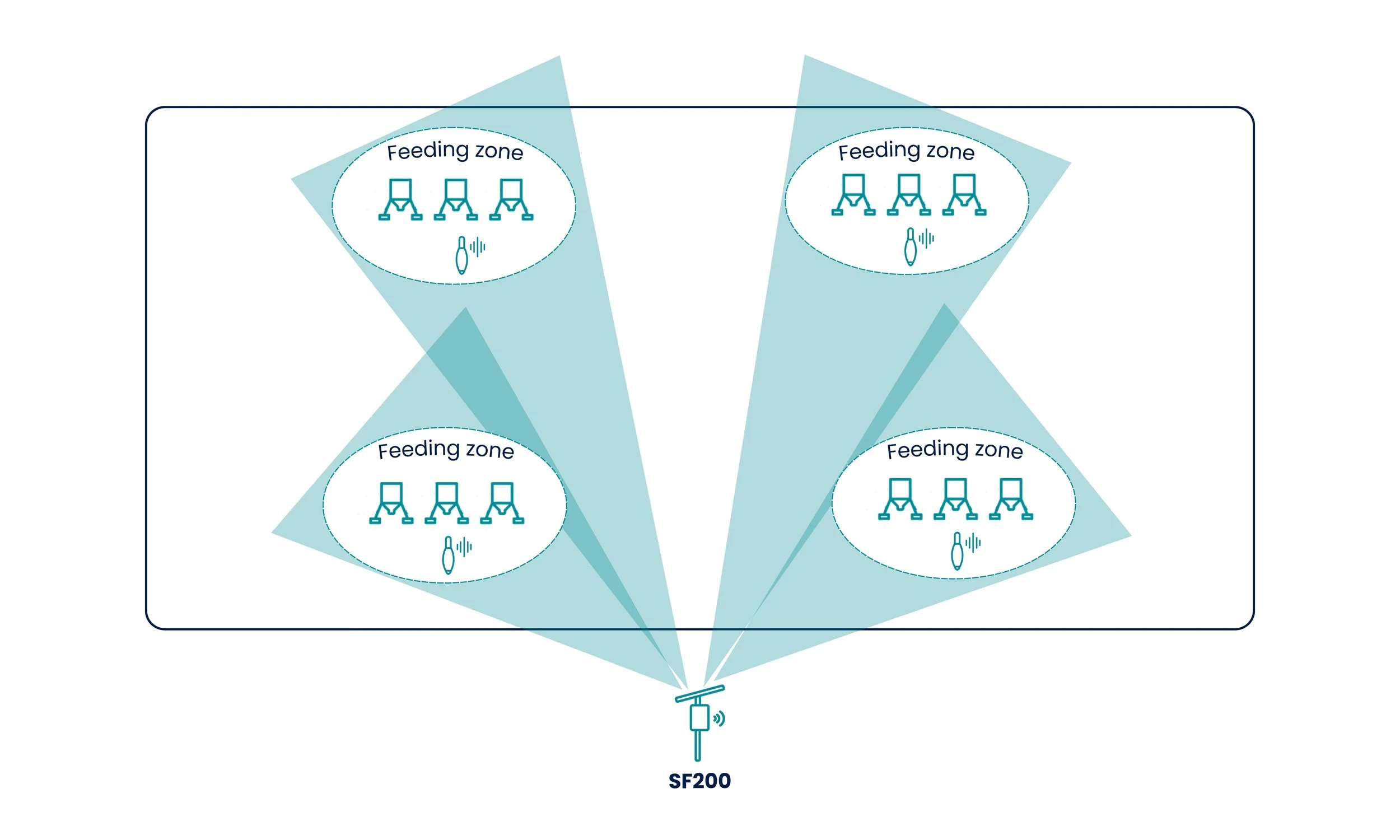
Diagram 2: System comparison: Left – traditional cabled hydrophone setup in a pond. Right – a scalable configuration with one SF200 controller managing four Smart Hydrophones for practical, multi-point feeding control across a large pond.
Here is how it empowers farmers:
Wireless flexibility: hydrophones can be placed exactly where needed, up to 250 meters from the controller, without cable constraints.
Self-diagnostic assurance: Built-in self-test emits a test signal and analyses the return, allowing the hydrophone to confirm it’s functioning correctly - giving farmers peace of mind and reducing downtime from undetected faults.
Zone expansion: each controller can now manage four hydrophones, doubling the number of feeding zones from two to four.
Improved accuracy: with fewer feeders per hydrophone and better placement, the system can more precisely detect feeding activity.
Simplified infrastructure: especially in intensive systems, removing cables reduces installation complexity and interference.
By making it easier to monitor and maintain hydrophones, we help farmers focus on what matters most: growing healthy shrimp.
Frequently Asked Questions
-
Hydrophone placement plays a key role in ensuring feeding activity is monitored at the locations that matter most. Strategic placement can help farms gain a more representative view of feeding behaviour across the pond and support more informed feeding decisions.
-
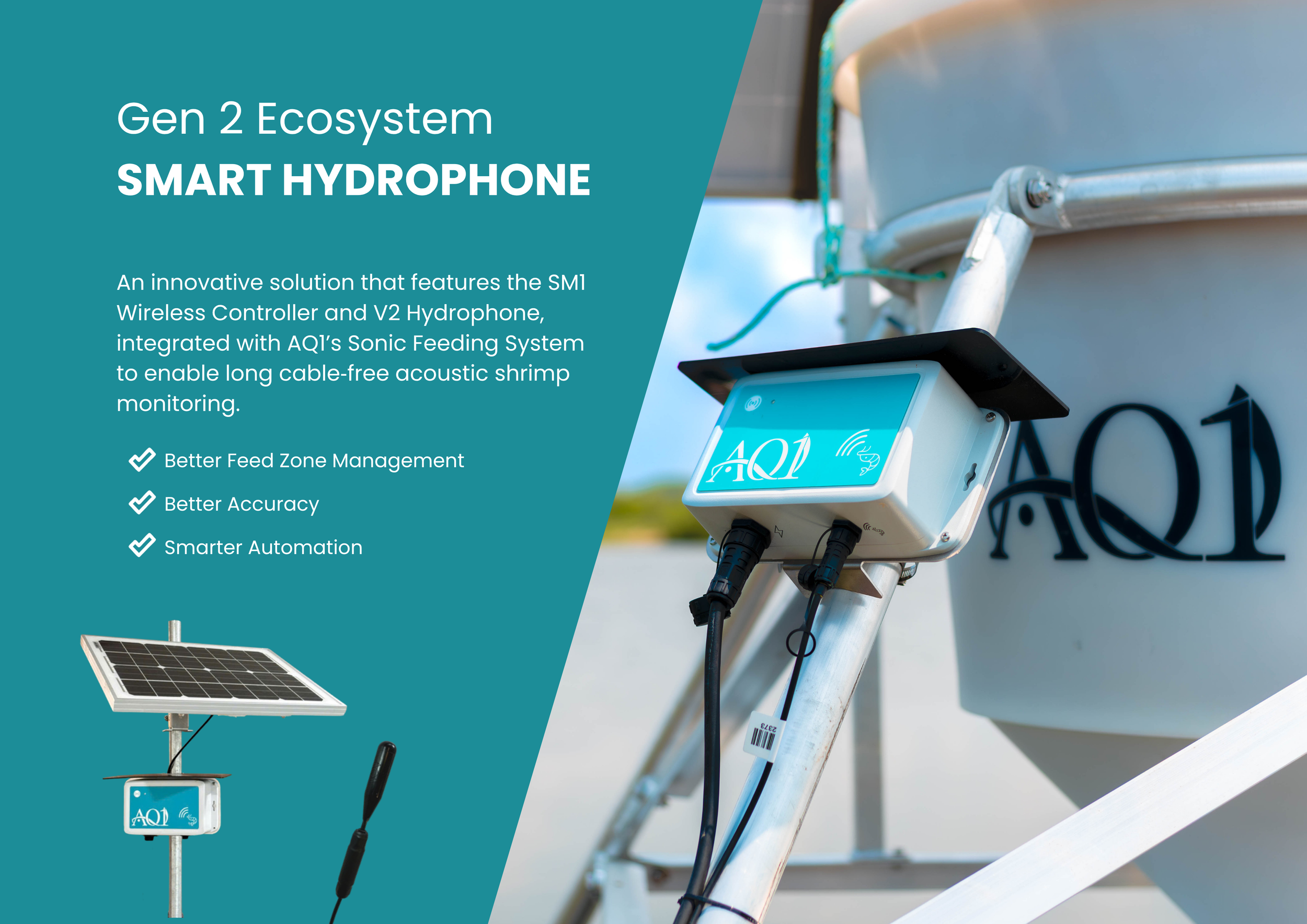
AQ1 Smart Hydrophone is the first product in AQ1's Ecosystem Gen 2, designed to expand feeding visibility across the pond. With wireless deployment, support for multiple feeding zones, a built-in temperature sensor, and integrated self-diagnostics, it provides a more complete picture of shrimp feeding activity and helps farms monitor feeding performance across larger operations.
-
AQ1 Smart Hydrophone is a key enabler of AQ1's multi-zone feeding approach. By monitoring feeding activity from different locations within a pond, it helps provide a more complete picture of shrimp feeding behaviour. Its extended operating range of up to 250 m from the controller gives farms greater flexibility to establish multiple feeding zones and increase feeding visibility across larger farming operations.
-
The Smart Hydrophone expands the capabilities of the Classic Hydrophone with wireless deployment up to 250 metres from the controller, support for up to four hydrophones per controller, a built-in temperature sensor, integrated self-diagnostics, and greater flexibility for multi-zone feeding. Together, these capabilities help shrimp farms improve feeding visibility, support feeding management, simplify infrastructure, and make more informed, data-driven feeding decisions.
-
Smart Hydrophones work as part of the AQ1 Sonic Feeding System, alongside feeders, Analytics, sensors, and feeding algorithms designed to support data-driven feeding management.
👉 Learn more about the AQ1 Sonic Feeding System.
Other Articles & Expert Insights
From Seeing More to Managing Smarter
SONIC 26.06 strengthens AQ1 sonic feeding ecosystem by delivering integrated improvements across feeders, hydrophones, sensors, and AQ1 Analytics. Designed for large-scale shrimp farming operations, this release helps ...
15/06/2026
Our Technology
About us
Legal
Contact us